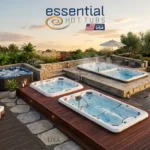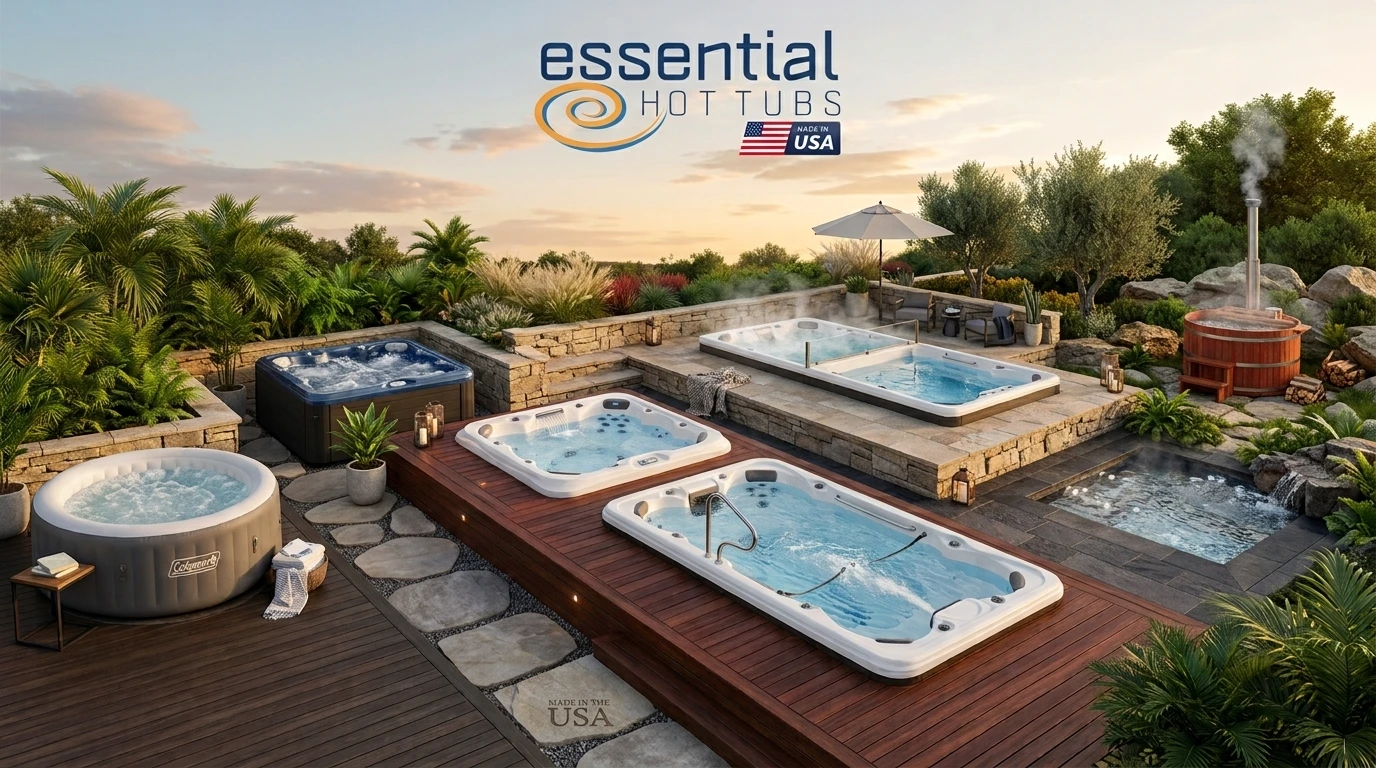
Walk into any hot tub store and you’ll probably feel a bit overwhelmed inflatable ones, hardside acrylic models, wood-fired tubs, built-in options that basically look like a small pool. They’re not just different price points either; each one really solves a different problem. Here’s a rundown of the main types of hot tubs, what each one actually offers, and how to figure out which fits your space, budget, and how you’ll actually use it.
How to Choose a Hot Tub?
How to choose a hot tub comes down to a handful of things how permanent you want it, your budget, how many people will use it, whether it needs to survive freezing winters, and honestly, how much upkeep you’re actually willing to do. Keep those in the back of your mind as you go through the list, because the “best” type really just depends on what matters most to you.
Inflatable Hot Tubs
Probably the most affordable, beginner-friendly option. Reinforced PVC, sets up in under an hour, runs off a standard outlet, and packs away when not in use. Lowest cost by far, no permanent install, easy to bring along if you move. Catch: less durable, fewer jets, not much insulation not great for cold climates year-round.
Portable Hardside Hot Tubs
A step up acrylic or rotomolded shells that still move around but hold up under daily use. Better jets, insulated cabinets for colder weather, still flexible enough to relocate. The middle ground between an inflatable and a full custom install.
Plug and Play Hot Tubs
Runs on a regular 110–120V outlet instead of a dedicated 220–240V circuit no electrician has to show up before you fill it. Faster setup, lower installation cost. Heats a little slower since it’s pulling less power, but for plenty of households the simplicity wins.
Acrylic Hot Tubs
What most people picture as “hot tub” a smooth, molded shell with a cabinet surround, meant for a permanent backyard spot. Wide jet range, better insulation, generally outlasts inflatable or basic portable models. Mid-to-upper price range, right call if you’re keeping the tub in one place for years.
Wooden Hot Tubs
A different approach some models don’t use electricity at all, just a wood-fired heater. No wiring needed, lower running costs, and a distinct cabin-style look. Catch: heats slower and takes more hands-on effort tending the fire, more frequent water changes.
In-Ground and Built-In Hot Tubs
Set into a deck, patio, or the ground, often alongside a pool. The most permanent and customizable option here seamless with your outdoor space, fully custom shape and finish, generally the highest-end look overall. Also the most expensive and labor-intensive, usually needing excavation and real plumbing work.
Swim Spas
A blend of hot tub and small lap pool long enough to swim against a current, warm enough to relax in. Many models have dual-temp zones, one end cooler for swimming, one warm for soaking. Doubles as exercise equipment and a spa, works year-round, takes less room than a full lap pool. Bigger investment, but for the right household it replaces two purchases with one.
Quick Comparison
| Type | Portability | Key Benefit | Best For |
|---|---|---|---|
| Inflatable | High | Lowest cost, easy storage | Trying it out, tight budgets |
| Portable Hardside | Medium | Durable, better jets | Daily use, no permanent install |
| Plug and Play | Medium | No electrician needed | Easy setup, simple installs |
| Acrylic | Low | Better insulation, longer lifespan | Long-term backyard use |
| Wooden | Low | Lower running cost, no wiring | Off-grid, rustic look |
| In-Ground/Built-In | None | Fully custom, highest-end look | Permanent, custom spaces |
| Swim Spa | None | Exercise plus relaxation in one | Swimming and soaking combined |
The Health Side, No Matter Which You Pick
Whichever type you end up with, the core benefits stay pretty much the same. Warm water plus jet pressure gives you genuine hydrotherapy muscle relaxation, working out tension, taking pressure off your joints. It’s used a lot for stress relief too, and quite a few people find it helps them sleep. Some get real relief for chronic stuff like arthritis, though it’s worth checking with a doctor first if you’re using it specifically for a medical issue. Beyond that, there’s just the simple thing of having somewhere to slow down at the end of the day.
Read More: Luxury Hot Tubs
FAQs
Here are some common questions about hot tubs.
What’s the best type of hot tub for a beginner?
An inflatable or a basic plug and play model low cost, easy setup, no electrical work involved.
Are plug and play hot tubs as good as 220V models?
They heat a bit slower, but the easier setup and lower cost make up for it for most people.
What type lasts the longest?
Acrylic and in-ground tend to hold up best, thanks to sturdier shells and generally better construction.
Are wooden hot tubs hard to maintain?
More hands-on, yeah tending the fire, sometimes more water changes but a lot of owners say it’s worth it.
Is a swim spa worth it over a regular hot tub?
If you want exercise and relaxation together, definitely. For soaking only, a standard hot tub is the more cost-effective pick.
Conclusion
There’s really no single “best” type here just the one that actually fits how you’ll use it. Want something quick and cheap? Go inflatable or plug and play. Settling in for the long haul? Acrylic or in-ground makes more sense. Want a workout and a soak in the same unit? That’s what a swim spa is for.
Match the type to your budget and your routine, and the benefits relaxation, hydrotherapy, a bit of daily downtime hold up no matter which one you end up choosing.